From Pocket Change to Powerful Symbols: The World of Collectible, Challenge, and Sobriety Coins
Coins have always been more than money. They mark history, commemorate service, and celebrate personal milestones. Among the most fascinating categories are collectible coins, challenge coins, and sobriety coins. Each carries its own story, community, and emotional weight. Whether you are a seasoned numismatist or simply curious about the small metal discs that travel through our lives, these three types of coins offer a rich and rewarding journey.
Collectible Coins: More Than Just Currency
Collectible coins are the broadest category. They include rare dates, mint errors, historical pieces, and modern commemoratives. What makes a coin collectible? Rarity, condition, and demand. A coin that survived a fire, a limited mintage, or a design flaw can become wildly valuable. For example, the 1943 copper penny—struck by mistake when the mint was supposed to use steel—is a legend among collectors.
But collecting is not only about price tags. Many people begin with pocket change, hunting for state quarters or interesting foreign coins. Others focus on a specific theme: animals, ships, presidents, or ancient civilizations. The thrill lies in the hunt and the knowledge gained along the way.
Getting started with collectible coins:
- Learn the basics. Understand grading scales, mint marks, and key dates.
- Choose a focus. A narrow theme makes collecting manageable and meaningful.
- Protect your coins. Use acid-free holders and avoid cleaning, which can destroy value.
- Buy from reputable dealers. Certification from grading services adds confidence.
Collectible coins connect us to history. Holding a coin that circulated during the Roman Empire or the American Civil War is a tactile encounter with the past.
Challenge Coins: Symbols of Service and Brotherhood
Challenge coins are a different breed. They are not legal tender, but they carry immense social currency. The tradition is often traced to World War I, when a young American soldier in France received a bronze medallion from his squadron. He carried it in a leather pouch around his neck. After being captured and stripped of his identification, the coin saved him from execution when a captor recognized the squadron emblem.
Today, challenge coins are common in the military, law enforcement, fire departments, and even corporate teams. The “challenge” is a ritual: if someone presents their coin and you cannot produce yours, you owe a round of drinks or another forfeit. It is a playful yet serious way to build camaraderie and recognize service.
“A challenge coin is a small piece of metal that says: you belong. You served. You matter.”
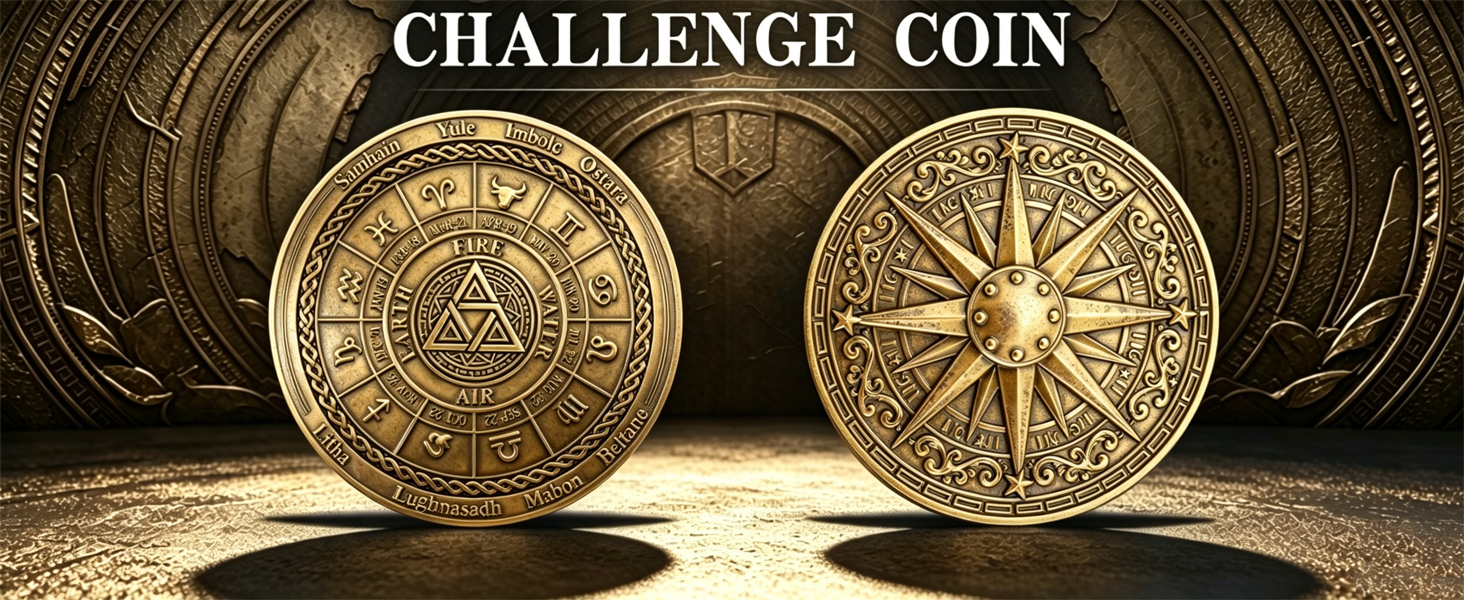
Collectors seek out challenge coins from specific units, deployments, or events. Custom designs can feature unit crests, mottos, and enamel colors. The most valuable ones are often those with a story—a coin carried on a mission, gifted by a commander, or exchanged between allied forces.
Why challenge coins endure
They are portable, personal, and powerful. A challenge coin fits in a pocket but carries the weight of shared experience. For veterans, they are a tangible link to service. For civilians, they are a window into a world of honor and tradition.
Sobriety Coins: Milestones of Recovery
Sobriety coins—also called recovery coins or sobriety medallions—are given to mark time in recovery from addiction. Common milestones include 24 hours, 30 days, 90 days, six months, one year, and then annual anniversaries. The coins often feature inspirational phrases such as “To Thine Own Self Be True,” “Unity, Service, Recovery,” or the Serenity Prayer.
These coins are not rewards for perfection; they are reminders of progress. For many people in recovery, carrying a sobriety coin is a daily touchstone. When cravings arise, they can hold the coin, feel its weight, and remember why they started. The coin becomes a physical anchor for an invisible commitment.
What makes sobriety coins meaningful:
- Tangible progress. A coin marks a milestone that words alone cannot capture.
- Community support. Receiving a coin at a meeting is a public affirmation of effort.
- Personal symbolism. Many people choose coins with colors or symbols that reflect their journey.
- Gift of hope. Sponsors often give coins to newcomers as a sign of encouragement.
Unlike collectible coins, sobriety coins are rarely about financial value. Their worth is emotional and spiritual. A well-worn coin with faded enamel can mean more than a pristine one, because it has been carried through hard days and small victories.
Where the Three Worlds Meet
There is overlap among these categories. A challenge coin can become a collectible. A sobriety coin can be custom-designed with artistic flair. Some collectors focus on recovery-themed challenge coins, while others build displays of military coins alongside historical currency. The common thread is meaning. These coins are not just objects; they are vessels for memory, identity, and connection.
If you are new to the world of coins, start with what moves you. Perhaps you inherit a handful of collectible coins and want to understand their history. Perhaps you receive a challenge coin from a friend in uniform. Perhaps you celebrate a year of sobriety with a coin of your own. Whatever the entry point, you will find a community eager to share knowledge and stories.
A final thought: Coins are small, but their stories are large. They travel through hands, across borders, and across generations. Collectible coins preserve the past. Challenge coins honor service and brotherhood. Sobriety coins celebrate courage and recovery. Together, they remind us that value is not only measured in metal—but in meaning.