Wudu Nail Rings, Nail Rings for Wudu, and Wudu Nail Covers: A Thoughtful Guide to Faith and Nail Care
For many Muslim women, wudu is a beautiful and constant part of the day. It is a moment of purification, focus, and connection before prayer. At the same time, nail care and self-expression are also important. This is where wudu nail rings, nail rings for wudu, and wudu nail covers enter the conversation. These accessories promise a balance between faith, hygiene, and style, but they also raise practical and religious questions.
This guide explores what these products are, how they are used, and what to consider before adding them to your routine.
What Exactly Are Wudu Nail Rings?
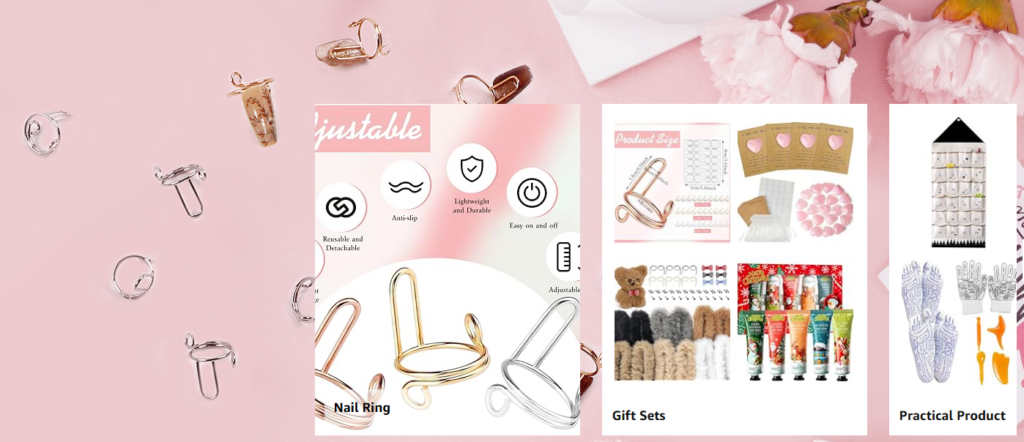
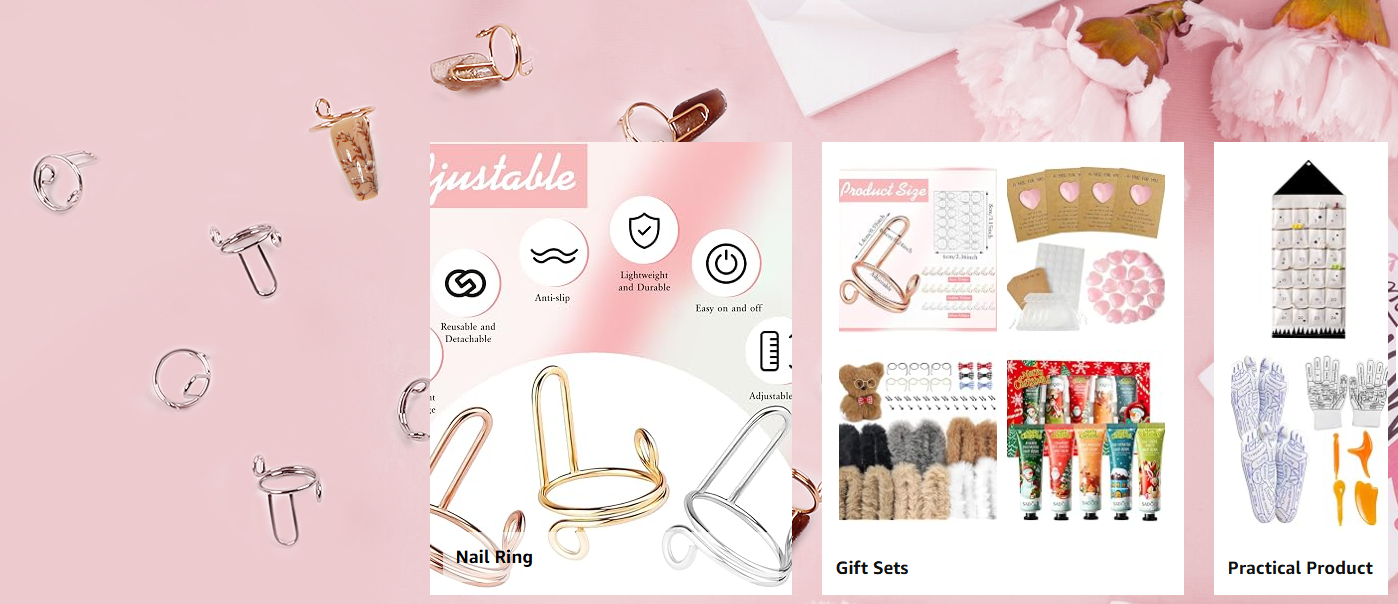
The phrase wudu nail rings can describe a few different accessories. Some are decorative rings that include a small cover, guard, or shield designed to sit over a fingernail. Others are simple metal or silicone rings worn on the finger or thumb, often with a detachable cap that protects the nail. They may be adjustable, stackable, or designed with gems and elegant finishes.
For some women, these rings are a way to protect a fresh manicure while cooking, cleaning, or applying skincare products. For others, they are a modest fashion statement. However, it is important to understand their limits.
Important: A nail ring or cover is not a universal solution to every wudu question. Many scholars emphasize that water must reach the nail itself. If a cover blocks water, it may interfere with the validity of wudu. For this reason, many women remove such accessories before washing and use them afterward to protect nail art or keep nails clean.
Nail Rings for Wudu: Where Beauty Meets Practicality
Nail rings for wudu are often marketed as faith-friendly jewelry. They can be minimalist and subtle, or bold and decorative. Some designs use stainless steel, rose gold, silver, or medical-grade silicone. The idea is to offer a removable layer of protection without permanently changing the nail.
Women who wear long nails, gel polish, or intricate nail art often appreciate these rings because they reduce the risk of chipping or damaging the nails during daily tasks. They can also help keep nails clean during gardening, painting, or household chores.
Why women choose them
- They protect nail polish and nail art from wear and tear.
- They offer a stylish alternative to bare nails.
- They can be removed easily before wudu or prayer.
- They help maintain hygiene when handling food or cleaning products.
- They allow for personal expression without permanent commitments.
Wudu Nail Covers: Protection, Hygiene, and Limits
Wudu nail covers are usually small caps, sleeves, or shields made from silicone, rubber, or soft plastic. They fit over the fingertips or individual nails. Some are reusable, while others are disposable. They are often used to protect nails from water, chemicals, and dirt.
However, the name can be misleading. A cover that prevents water from reaching the nail may also prevent a valid wudu. In Islamic practice, many scholars require water to touch the entire nail, including the edges and underside. Therefore, wudu nail covers should not be treated as a shortcut around that requirement.
Common uses
- Protecting a manicure after wudu has been performed.
- Keeping nails clean while cooking, cleaning, or crafting.
- Covering damaged or sensitive nails during everyday tasks.
- Shielding nail polish from harsh detergents and hot water.
- Reducing contact with allergens or irritants.
Faithful beauty is not about finding loopholes; it is about honoring both your worship and your personal style with wisdom.
How to Choose the Right Product
When shopping for nail rings for wudu or wudu nail covers, look beyond the label. Comfort, hygiene, and removability matter. A beautiful ring that traps moisture or feels too tight can cause irritation. A cover that slips off during wudu can create confusion.
Checklist
- Material: Choose nickel-free, skin-safe, and easy-to-clean materials.
- Fit: The ring should feel secure but not restrict circulation.
- Breathability: Avoid covers that trap sweat or moisture for long periods.
- Removability: You should be able to take it off quickly and easily.
- Purpose: Decide whether you need decoration, protection, or both.
- Scholar guidance: If your concern is wudu validity, ask a qualified local scholar.
Nail Polish, Breathable Formulas, and Scholarly Differences
Many women turn to wudu nail rings and nail covers because they wear nail polish. Traditional nail polish creates a barrier that prevents water from reaching the nail. As a result, many scholars say wudu is not valid while wearing it. Breathable or water-permeable polish is sometimes presented as an alternative, but scholarly opinions differ. Some accept it if water truly reaches the nail; others remain cautious.
This is why products like wudu nail covers should be used with knowledge. They can protect your nails after wudu, but they are not a replacement for proper purification. If you wear traditional polish, the safest approach is to remove it before wudu or follow the guidance of a scholar you trust.
Practical Tips for Daily Use
- Keep a small pouch with your nail rings or covers in your handbag or prayer area.
- Clean reusable covers with mild soap and warm water after each use.
- Avoid sharing nail covers to maintain hygiene.
- Remove covers before wudu unless a scholar has confirmed otherwise.
- Let your nails breathe overnight to prevent moisture buildup.
- Pair accessories with a simple nail care routine for healthy nails.
Style, Intention, and Modesty
Nail rings can be elegant, modern, and modest all at once. A delicate gold ring, a matte black cover, or a pearl-accented guard can complement your hijab, abaya, or everyday outfit. The key is intention. These accessories are tools, not substitutes for religious obligations. When used thoughtfully, they can support a lifestyle that values both faith and beauty.
Final Thoughts
Wudu nail rings, nail rings for wudu, and wudu nail covers offer practical ways to protect your nails and express your style. But they also require responsibility. Prioritize the validity of your wudu, maintain good hygiene, and choose products that fit your daily life. With the right knowledge and a balanced approach, faith and nail care can coexist beautifully.