The Art of Effortless Entertaining: Kitchen Dining, Shot Glasses, Coasters, Wine Glasses, and Serveware
A great gathering rarely begins in a formal dining room. More often, it starts in the kitchen: someone leans against the counter, a bottle is opened, glasses are passed around, and the room slowly fills with conversation. The details that make that scene feel warm and effortless are not extravagant. They are practical, tactile, and thoughtful. From the everyday rhythm of Kitchen Dining to the small ceremony of raising a Shot Glass, the right pieces help guests relax and help hosts stay present. Coasters protect the table, wine glasses shape the evening, and serveware turns simple food into something worth lingering over.
Kitchen Dining: The Room Where the Evening Begins
Kitchen dining has a distinct advantage over more formal spaces: it feels lived in. A kitchen table can be set for breakfast, cleared for prep work, and reset for friends within the same afternoon. The goal is not perfection. It is flow. Keep the table close to the action, leave room for serving dishes, and choose pieces that can move easily from shelf to table to sink.
For casual meals, a mix of textures works beautifully. Pair a durable tabletop with soft linen napkins, then add one or two statement pieces that invite touch. A wooden board, a ceramic bowl, and a small vase of herbs can do more for atmosphere than a rigid place setting. Kitchen dining should feel like an invitation, not an inspection.
The best kitchen tables do not ask guests to be careful. They ask guests to stay a little longer.
Shot Glasses: Small Glasses, Big Moments
Shot glasses are often treated as novelty items, but they deserve a place in a well-considered entertaining collection. They are useful for tastings, quick toasts, espresso, tiny desserts, and pre-dinner rituals. Because they are small, they also encourage a different kind of social pacing: brief, lively, and shared.
When choosing shot glasses, think beyond the standard clear tumbler. Thick bases feel stable, slightly tapered sides are easier to hold, and etched or colored glass can add personality without overwhelming the table. Keep a set of six to eight on hand for spontaneous gatherings. Wash them by hand if they are delicate, and store them near the bar area or drinks station so they are ready when the moment calls for something small and celebratory.
Coasters: The Quiet Heroes of the Table
Coasters are easy to overlook until a cold glass leaves a ring on a wooden table. Then they become essential. The best coasters are absorbent, easy to stack, and attractive enough to leave out between gatherings. Cork, stone, leather, and pressed felt all work well; the material should suit the room and the way you entertain.
- Cork is warm, lightweight, and forgiving on glass and wood.
- Stone feels substantial and handles condensation beautifully.
- Leather adds a refined touch and ages gracefully.
- Felt is soft, quiet, and ideal for mixed-material tables.
Place coasters in a small stack or a shallow dish where guests can help themselves. A coaster should never feel like a rule. It should feel like part of the table’s welcome.
Wine Glasses: Shape, Clarity, and Conversation
Wine glasses do more than hold wine. They frame aroma, guide the first sip, and add a sense of occasion. For most homes, a versatile set of clear, tulip-shaped glasses is enough. The bowl should leave room to swirl, the stem should be comfortable to hold, and the rim should be thin enough to feel elegant without being fragile.
It is tempting to build a glass collection around every grape and region, but a smaller, well-chosen set is often more useful. Add a few stemless glasses for casual kitchen dining, and keep one or two special glasses for celebratory bottles. Wash them gently, polish them with a lint-free cloth, and store them upright if space allows. Clarity matters because guests taste with their eyes first.
Serveware: The Stage for the Meal
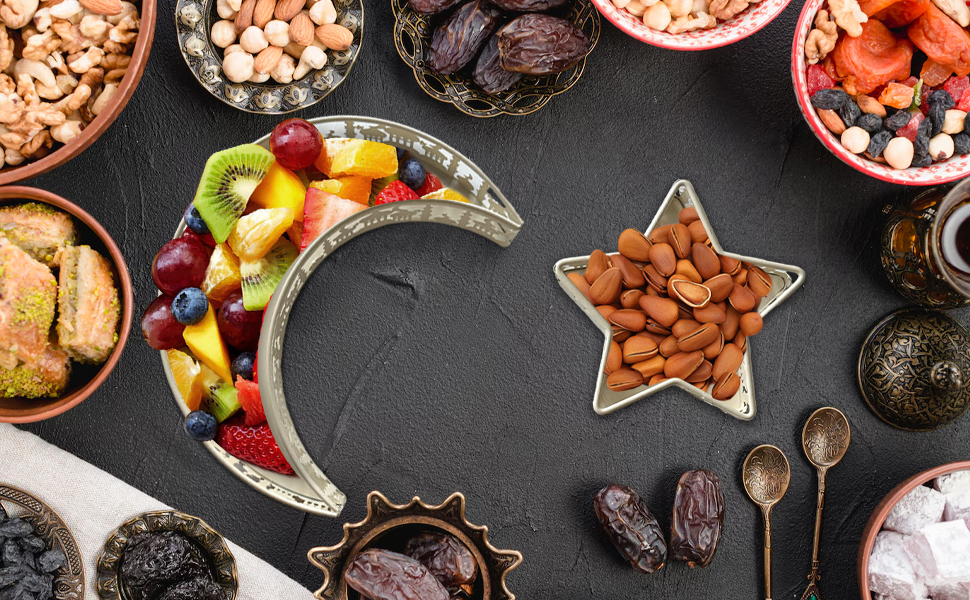
Serveware is the connective tissue of the table. It carries food from kitchen to guests, shapes how much people take, and signals whether the meal is casual or ceremonial. A large platter encourages sharing. A deep bowl invites second helpings. A small dish of flaky salt or sliced citrus adds a finishing touch that makes even simple food feel considered.
Build a flexible collection rather than a matching one. Choose one large platter, two medium serving bowls, a stack of small plates, a board for bread or cheese, and a few utensils that feel good in the hand. Mixing materials — ceramic, wood, glass, and metal — creates visual rhythm without clutter. Most importantly, choose serveware that can go from oven to table or fridge to table without a dramatic transfer. The less time a host spends rearranging, the more time everyone spends enjoying the meal.
Bringing It All Together
Thoughtful entertaining is not about owning more. It is about arranging what you have so that guests feel comfortable and hosts feel free. Kitchen dining sets the tone, shot glasses add spark, coasters protect the surface, wine glasses elevate the sip, and serveware makes the food feel generous. When these pieces work together, the table becomes less of a display and more of a place to gather. The result is simple: good food, good drinks, and the kind of evening that ends with chairs pushed back and conversation still going.