From Pulp to Polish: A Creative Guide to Papier-Mâché, Transfer Paper, Fabric, and Charm Beads
Arts and crafts have a wonderful way of turning ordinary materials into something personal, playful, and unexpectedly beautiful. A sheet of paper can become a sculpted bowl. A scrap of fabric can become a wearable keepsake. A simple transfer paper design can turn a plain tote into a statement piece, while a handful of charms and beads can add the kind of detail that makes a project feel truly finished. The joy is not only in the final object, but in the process: cutting, layering, painting, stitching, and experimenting until the materials begin to tell a story of their own.
Why Mixed-Material Crafting Feels So Rewarding
Mixed-material crafting invites you to stop thinking in categories and start thinking in possibilities. Papier-mâché brings structure. Transfer paper brings precision. Fabric brings softness and colour. Charms and beads bring shimmer, movement, and personality. When these elements meet, the result is rarely boring. You might create a papier-mâché bowl lined with fabric, decorated with tiny beads along the rim. Or you might make a fabric pouch, add a transfer-paper motif, and finish it with a charm that clips onto the zipper. The best craft projects often happen when one material answers a question asked by another.
This approach is also forgiving. If a papier-mâché shape is slightly uneven, fabric can soften the edge. If a transfer design is not perfectly centred, a cluster of beads can draw the eye and restore balance. Crafting with several materials teaches flexibility, and flexibility is one of the most useful skills an artist can develop.
Papier-Mâché: Start With Humble Paper, Finish With Sculpture
Papier-mâché is one of the most accessible sculptural crafts. All you need is paper, paste, and patience. Newspaper, tissue paper, or even recycled printer paper can be torn into strips and layered over a form. A balloon can become a mask or a bowl. A cardboard frame can become a small tray. A wire armature can become an animal figure. The magic happens in the layering: thin strips, generous paste, and enough drying time between coats to let the structure strengthen.
- Begin lightly: Use a release layer such as plastic wrap so your project lifts cleanly from the mould.
- Build in layers: Three to five thin layers are usually stronger than one heavy layer.
- Be patient: Drying time is part of the craft, not a delay in the craft.
- Finish with intention: Sand gently, prime, paint, and seal for a smooth, durable surface.
Once the basic form is dry, the real fun begins. You can paint it with bold patterns, decoupage it with patterned paper, or attach fabric accents. Papier-mâché is humble at the start and surprisingly refined at the end.
Transfer Paper: The Quiet Hero of Personalised Craft
Transfer paper is a small tool with a big impact. It allows you to move a design from paper to fabric, wood, canvas, or even a prepared papier-mâché surface. For crafters who feel nervous about freehand drawing, transfer paper offers a reassuring bridge between an idea and a finished object. You can trace lettering, botanical outlines, simple animals, geometric motifs, or custom patterns. The result looks intentional and polished, even if the original sketch was modest.
- Choose a clear design and remember that it will appear in reverse if you trace from the back.
- Layer transfer paper against the surface, place your design on top, and secure everything with tape.
- Trace firmly with a pencil or stylus, lifting a corner occasionally to check the line.
- Remove the transfer paper and use the traced guide for painting, embroidery, or bead placement.
Transfer paper is especially useful when you want repeated motifs across fabric or when you are combining techniques. A traced leaf shape might become a painted motif on a cushion, an embroidered detail on a pouch, or a guide for tiny beadwork. It keeps the design consistent while leaving room for handmade variation.
Fabric: Soft Canvas for Colour, Texture, and Story
Fabric is generous. It can be cut, folded, stitched, painted, appliquéd, and embellished. Cotton and linen are dependable for beginners, while felt offers structure without fraying. Denim is sturdy enough for bags and patches, and lightweight muslin is ideal for testing transfer-paper designs. Fabric also brings comfort to mixed-media work: a papier-mâché box lined with soft cloth feels more inviting, and a fabric pouch decorated with charms becomes a small object of delight.
Design tip: Let texture do some of the work. Combine a smooth cotton with a nubby linen, or place a shiny bead against matte fabric. Contrast makes small details feel deliberate.
When working with fabric, always test your transfer paper, paint, or adhesive on a scrap first. Pre-wash fabrics that may shrink, and press them flat before tracing. If you plan to wash the finished piece, choose appropriate fabric markers, paints, and fixatives. A little preparation protects the project you have poured time into.
Charms and Beads: Small Details, Big Personality
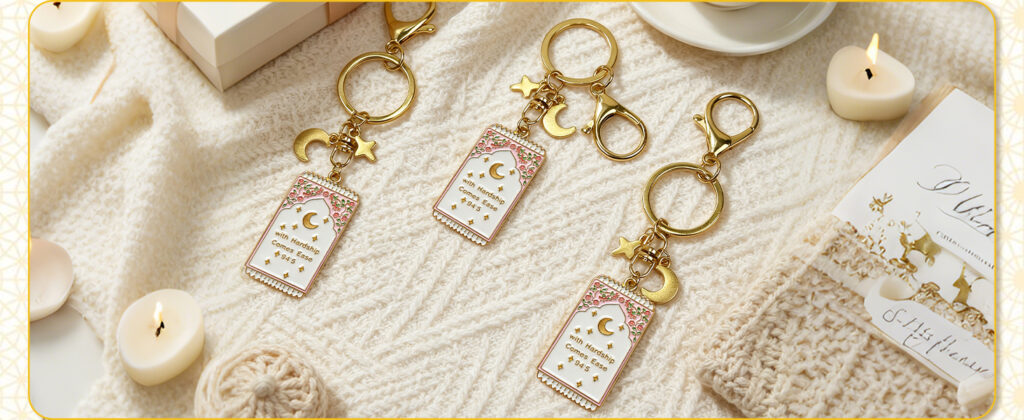
Charms and beads are the finishing touches that make a craft project feel alive. A single charm can turn a plain zip pull into a tiny treasure. A row of beads can outline a transfer-paper design, adding dimension and sparkle. Beads can be sewn onto fabric, threaded onto cord, glued onto papier-mâché, or used as decorative closures. Charms bring narrative: a tiny leaf, a star, a key, or a heart can hint at a theme without demanding attention.
- For fabric: Use seed beads, embroidery floss, and a fine needle for secure beadwork.
- For papier-mâché: Attach charms with strong craft glue or embed wire loops before the final layer dries.
- For accessories: Add charms to zippers, bag straps, journal covers, and keyrings for instant personality.
The secret is restraint. A few well-placed charms and beads can elevate a project; too many can overwhelm it. Step back often, look at the whole piece, and add details only where they add rhythm or balance.
Putting It All Together: A Weekend Project Blueprint
Try a small mixed-material project to see how these crafts cooperate. First, create a simple papier-mâché bowl over a plastic-wrapped form and let it dry completely. Next, use transfer paper to trace a motif onto a piece of fabric. Paint or embroider the motif, then cut the fabric into a soft liner for the bowl. Finally, stitch or glue a few charms and beads along the rim or attach a beaded dangle to one side. The result is a handmade object that combines structure, pattern, softness, and sparkle.
Arts and crafts do not require expensive materials or perfect technique. They require curiosity, a little time, and the willingness to let one material lead you toward another. Papier-mâché gives you form, transfer paper gives you guidance, fabric gives you warmth, and charms and beads give you delight. Together, they turn a quiet afternoon into a small act of invention.
Keep your scraps, test your materials, and let the next layer surprise you.