Toys & Games for Kids and Families: Play That Brings Everyone Together
Play is one of the most natural ways for children to learn, connect, and grow. It is also one of the easiest ways for families to slow down and enjoy time together. The right toys and games can turn a rainy afternoon into a adventure, a quiet evening into a shared challenge, and a simple living room into a world of imagination. But with so many options on shelves and online, choosing toys that are fun, safe, and genuinely worthwhile can feel overwhelming. This guide explores how to build a family play collection that supports creativity, cooperation, and a whole lot of laughter.
Why Great Toys Do More Than Entertain
Toys are often described as entertainment, but the best ones are really tools for development. They invite children to test ideas, solve problems, practice language, and negotiate with others. A sturdy block set can become a castle, a bridge, or a tiny parking garage. A simple deck of cards can teach turn-taking, patience, and basic math. When families play together, toys also become social glue. Children watch how adults handle losing, share materials, and model curiosity.
Open-ended play builds flexible thinking
Open-ended toys are those with no single correct answer. They tend to stay interesting longer because children bring new stories to them again and again. Consider adding a few of these to your collection:
- Building sets that can become houses, rockets, or animal shelters.
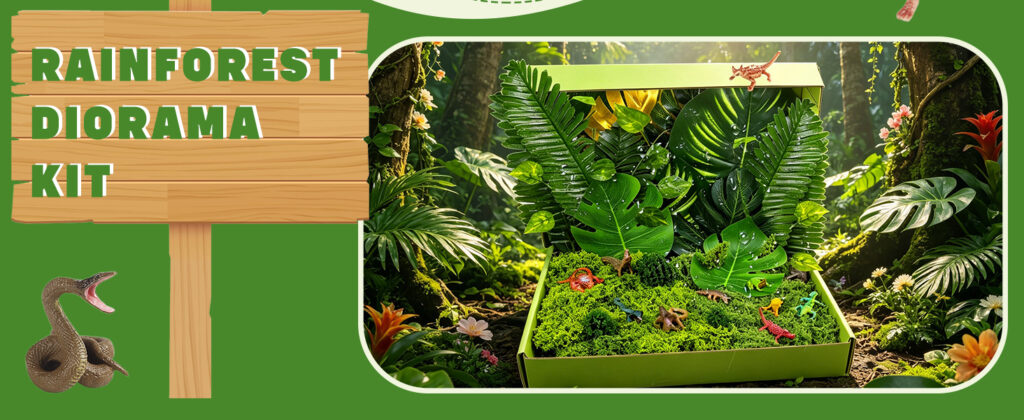
- Art supplies such as washable markers, clay, and recycled cardboard.
- Pretend-play props like play food, doctor kits, and dress-up scarves.
- Small figures and vehicles that encourage storytelling and role-play.
Choosing Toys by Age and Stage
Age labels are useful starting points, but children develop at different rates. Instead of chasing the newest trend, look for toys that match a child’s current abilities while leaving a little room to grow.
- Toddlers (1–3): Choose large, simple toys that support stacking, sorting, pushing, and pretend play. Avoid tiny parts and check for safe, rounded edges.
- Preschoolers (3–5): Look for construction toys, simple puzzles, art materials, and games with short turns and clear rules.
- Early elementary (6–8): Strategy games, beginner building kits, science experiments, and active toys work well.
- Older kids (9+): Cooperative games, complex building sets, coding toys, and creative kits can hold attention and encourage independence.
“The best toy is often the one that leaves space for the child to finish the story.”
Family Game Night Without the Meltdowns
Games are wonderful for togetherness, but they can also bring out big feelings. Young children are still learning how to lose, wait, and follow rules. A little planning can make family game night smoother and more joyful.
- Pick a game that fits the youngest player. If the rules are too complicated, the fun disappears fast.
- Keep rounds short. Ten to twenty minutes is often enough for younger children.
- Model good sportsmanship. Celebrate effort, not just winning, and show how to say “good game.”
- Try cooperative games. These ask players to work as a team, which can reduce pressure and build communication.
Classic games like charades, memory match, and simple card games remain popular for a reason. They need little setup, travel easily, and can be adapted for different ages. Newer cooperative board games are also worth exploring because they give everyone a shared goal.
Outdoor Toys and Active Games
Fresh air and movement are powerful ingredients for family fun. Outdoor toys do not need to be expensive. A ball, a jump rope, sidewalk chalk, and a few cones can create hours of play. Bikes, scooters, and balance boards support coordination, while sandbox tools and water toys add sensory exploration.
Simple outdoor favorites
- Bubbles and chalk for quick, low-prep fun.
- Beanbags and target games for throwing and counting practice.
- Gardening tools sized for kids to encourage nature play.
- Kites and flying discs for open-space energy.
Creative Toys That Grow With Kids
Creative materials are some of the wisest purchases because they adapt. A child might scribble at three, draw detailed scenes at six, and design comic strips at nine. Keep art supplies accessible and organized, and rotate materials so they feel fresh. Likewise, building toys can begin as simple towers and later become mechanical models or room designs. The goal is not to buy everything, but to offer a few flexible tools that can change with the child.
Safety, Storage, and Screen Balance
Before buying, check age recommendations, small parts, battery compartments, and material quality. For younger children, avoid loose magnets, button batteries, and sharp edges. Storage matters too: clear bins, low shelves, and labeled containers help children clean up independently and actually use what they own. Finally, keep toys in balance with screens. Screens are not the enemy, but hands-on play offers something screens rarely do—movement, touch, negotiation, and the satisfaction of building something real.
Final Thoughts: Build a Play Collection, Not a Pile
The best family toys and games are not the ones that simply fill a toy box. They are the ones that spark conversation, invite teamwork, and grow with your children. Choose a mix of active, creative, cooperative, and open-ended play. Leave room for favorites to be used again and again. When children see adults joining in, laughing, and trying again after a loss, they learn that play is not just for kids—it is a shared language for the whole family.