The Ultimate Guide to Sports & Outdoors Equipment: Gear Up for Every Adventure
Whether you are a weekend hiker, a seasoned camper, or someone who simply enjoys a brisk morning run, the right sports and outdoors equipment can transform your experience. Quality gear does more than just help you perform better—it keeps you safe, comfortable, and ready for whatever nature throws your way. From trail-ready footwear to weatherproof shelters, this guide breaks down the essential equipment categories every outdoor enthusiast should understand.
1. Hiking and Trekking Gear: Built for the Trail
Hiking is one of the most accessible outdoor activities, but that doesn’t mean you can cut corners on equipment. A well-chosen setup protects your joints, keeps you hydrated, and ensures you can navigate unfamiliar terrain with confidence.
Footwear First: Invest in hiking boots or trail runners that match your terrain. Sturdy ankle support matters for rocky paths, while lightweight breathable shoes work better for groomed trails. Always break in new footwear before a long hike.
Backpacks and Hydration: A 20–30 liter daypack suits most half-day hikes. Look for padded shoulder straps, a hip belt, and a hydration bladder sleeve. Carry at least one liter of water per two hours of hiking, plus a compact filter or purification tablets for longer trips.
“The best hiking gear is the gear you barely notice you’re wearing—until you need it.”
Navigation and Safety: Even on marked trails, carry a map, compass, and a fully charged phone with offline maps. A small first-aid kit, a whistle, and a headlamp are non-negotiable for any serious trek.
2. Camping Equipment: Home Away from Home
Camping gear ranges from minimalist bivy sacks to full-family base camps. The key is matching your equipment to the season, weather, and duration of your trip.
Tents and Shelters
Three-season tents handle most spring-to-fall camping. Look for a double-wall design, a full-coverage rainfly, and sealed seams. For winter camping, a four-season tent with reinforced poles and reduced mesh is essential. Always pitch your tent before your first trip to check for missing parts.
Sleep Systems
Your sleeping bag’s temperature rating matters more than its fill type. Down bags are lighter and warmer for their weight, but synthetic bags perform better in wet conditions. Pair your bag with an insulated sleeping pad—ground chill drains body heat faster than cold air.
- Cookware: A compact stove, fuel canister, and nesting pot set cover most meals.
- Lighting: Bring a headlamp plus a lantern for camp tasks.
- Storage: Use bear-proof canisters or hang food bags where required.
3. Water Sports Equipment: Ride the Waves Safely
From kayaking to paddleboarding, water sports demand equipment that balances performance with flotation and visibility. Always check local regulations and weather forecasts before heading out.
Personal Flotation Devices (PFDs): A properly fitted PFD is the single most important piece of water sports gear. Choose one rated for your activity—whitewater kayaking requires a different design than flatwater paddleboarding.
Boards, Boats, and Paddles: Inflatable paddleboards offer portability, while rigid boards provide better glide. For kayaking, sit-on-top models are beginner-friendly and self-draining. Match paddle length to your height and boat width.
Dry Storage: Use waterproof dry bags for phones, keys, and spare clothing. A small waterproof deck bag keeps essentials accessible without opening your main storage.
4. Winter Sports Gear: Embrace the Cold
Winter sports equipment must handle sub-freezing temperatures, snow, and ice. Layering is your first line of defense, but technical gear makes the difference between a great day and a miserable one.
Insulation and Shells: Wear a moisture-wicking base layer, an insulating midlayer (fleece or down), and a waterproof breathable outer shell. Avoid cotton—it holds moisture and loses insulating value when wet.
Snowshoes and Traction: For winter hiking, snowshoes distribute your weight and prevent post-holing. Add microspikes or crampons for icy sections. Check bindings and cleats before every trip.
Goggles and Gloves: Flat-light conditions demand high-contrast lenses. Bring two pairs of gloves—one insulated for warmth and one thinner pair for dexterity tasks like adjusting bindings.
5. Fitness and Training Equipment: Move Anywhere
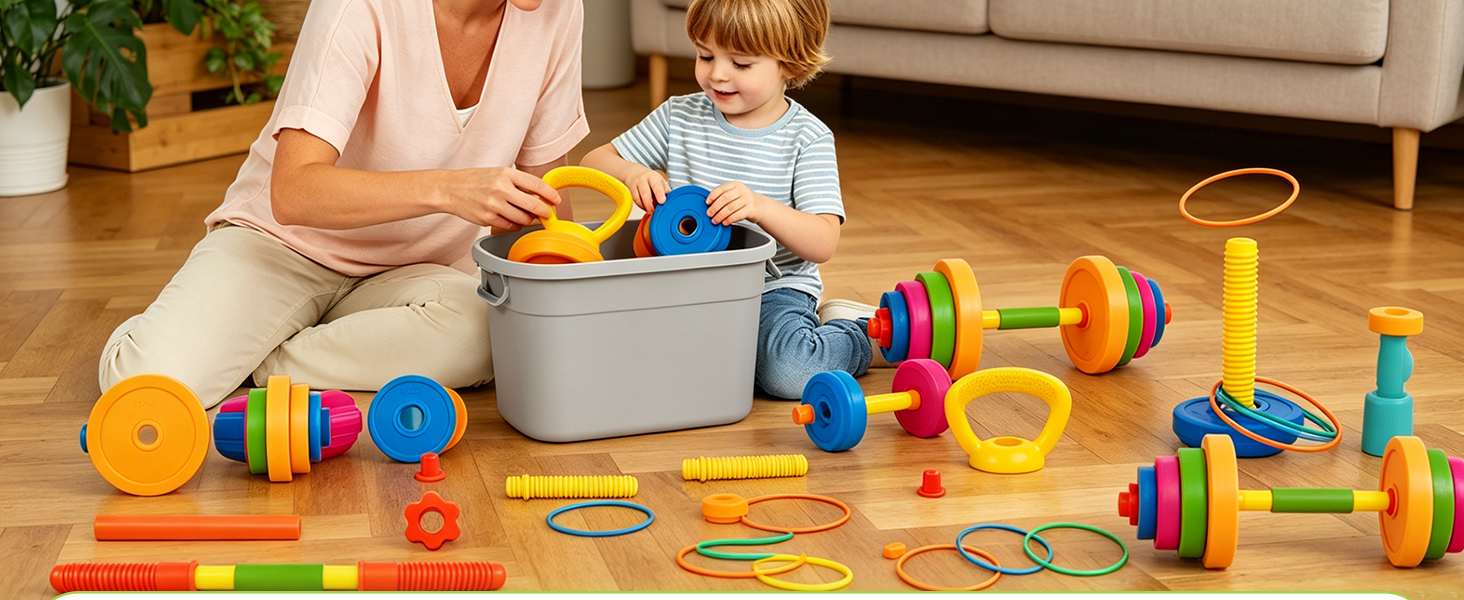
Not every outdoor workout requires heavy gear. Resistance bands, jump ropes, and suspension trainers pack small and deliver full-body workouts in a park, campsite, or backyard.
Portable Strength Tools: A set of resistance bands with door anchors covers pulling and pressing movements. Suspension trainers use body weight for scalable strength work.
Recovery Aids: Foam rollers and massage sticks help maintain mobility after long hikes or runs. A compact travel version fits in a daypack.
Final Thoughts: Buy Less, Choose Better
Quality outdoor equipment is an investment, not a disposable purchase. Prioritize core items—footwear, shelter, and safety gear—and rent or borrow specialized equipment before committing. Maintain your gear with regular cleaning, waterproofing, and repairs. And remember: the best equipment is the equipment you know how to use confidently in the field.
Whether you are summiting a peak or setting up camp for the night, thoughtful gear choices keep you moving, safe, and comfortable—so you can focus on the adventure ahead.