Bring Nature Home: Bird Feeders & Outdoor Accessories for a Thriving Backyard
There’s a quiet magic in watching a cardinal land on a feeder while you sip your morning coffee. A backyard filled with birds is more than a pretty view—it’s a living ecosystem that rewards thoughtful setup. Whether you’re a first-time birder or a seasoned host, the right combination of bird feeders and outdoor accessories can turn any outdoor space into a bustling aviary. This guide walks you through feeder styles, accessory essentials, and simple habits that keep your feathered visitors coming back season after season.
Why Bird Feeders Are a Backyard Game-Changer
Bird feeders do more than dispense seed. They create a reliable food source that helps birds conserve energy, especially during migration and harsh weather. A well-placed feeder can attract a surprising variety of species—from chickadees and finches to woodpeckers and nuthatches. Over time, you’ll learn their routines, their favorite perches, and even their individual personalities. The bonus? You’re supporting local biodiversity while enjoying a front-row seat to nature’s daily drama.
Choosing the Right Bird Feeder for Your Feathered Guests
Not all feeders are created equal. The best choice depends on the birds you want to attract, the climate you live in, and how much maintenance you’re willing to do. Before you commit, take a moment to browse a range of bird feeders that match your backyard goals. Here are three popular styles to consider.
Platform Feeders: Simple and Accessible
Platform feeders are essentially open trays that invite birds to land and dine. They’re ideal for ground-feeding species like cardinals, doves, and juncos. Because they’re easy to access, they also attract a wide mix of birds—but that means you’ll need to clean them regularly and use a baffle to deter squirrels. Pro tip: place platform feeders near shrubs so birds can retreat quickly if a predator appears.
Tube Feeders: Smart and Pest-Resistant
Tube feeders feature a cylindrical design with small ports and perches. They’re excellent for small birds like finches and chickadees, and the enclosed shape helps keep seed dry. Many tube feeders come with metal ports that discourage squirrels and larger birds. Look for models with easy-to-remove bottoms for cleaning—you’ll thank yourself later.
Hopper Feeders: The All-Weather Classic
Hopper feeders look like little houses and hold a generous amount of seed. They’re weather-resistant and ideal for year-round feeding. The design naturally dispenses seed as birds eat, and the roof keeps rain and snow out. Hopper feeders tend to attract a broad range of species, making them a great “starter” feeder for new backyard birders.
Outdoor Accessories That Complete the Experience
A feeder alone is a good start, but the right accessories make your setup safer, cleaner, and more inviting. Think of these as the supporting cast that keeps the main event running smoothly. Pair your feeder with thoughtful outdoor accessories to create a cohesive, bird-friendly space.
- Squirrel baffles: Keep persistent rodents away from your seed supply.
- Bird baths: Fresh water is just as important as food, especially in summer and winter.
- Seed storage containers: Keep seed dry, fresh, and pest-free.
- Pole systems and hangers: Position feeders at the right height and distance from trees.
Don’t overlook cleaning supplies. A stiff brush, mild soap, and a dedicated bucket make routine maintenance quick and easy. Clean feeders regularly to prevent mold and disease—your birds will stay healthier, and you’ll avoid that sour seed smell.
Placement, Maintenance, and Bird-Friendly Habits
Where you place your feeder matters as much as what you put in it. Aim for a spot that’s easy to see from a window but safe from predators. Keep feeders about 10–12 feet from trees or shrubs to give birds a clear escape route, but close enough that they can dart to cover. Avoid placing feeders near reflective windows, or add window decals to reduce collisions.
“A clean feeder is a busy feeder. Fresh seed, fresh water, and a little patience will bring more birds than any fancy gadget.”
Maintenance doesn’t have to be a chore. Set a weekly reminder to check seed levels, scrub feeders, and refresh water. During hot or wet weather, clean more often. And remember: quality seed matters. Black oil sunflower seeds and nyjer are reliable staples, while suet cakes offer high-energy fat for woodpeckers and nuthatches.
- Clean feeders every two weeks with hot, soapy water and let them dry completely.
- Replace damp or moldy seed immediately—never top off old seed.
- Keep a bird-friendly yard by reducing pesticide use and leaving some native plants.
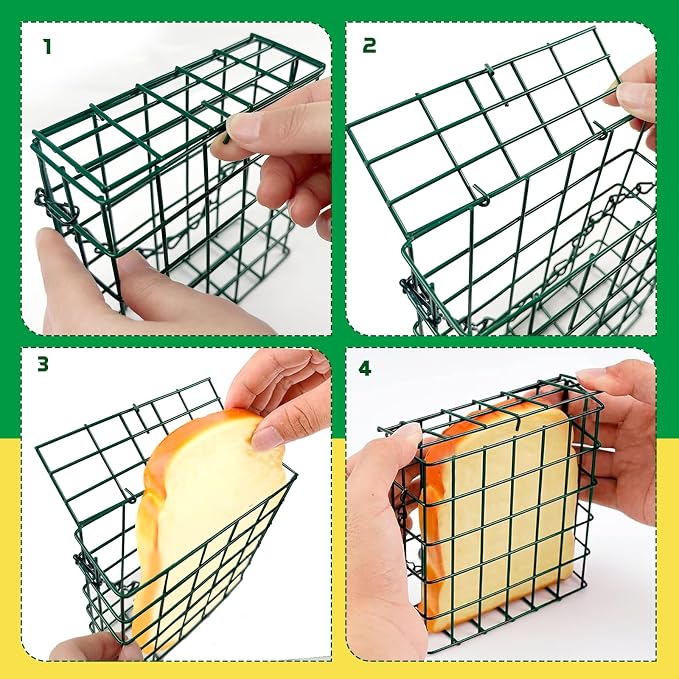
If you want to take your setup to the next level, explore a curated collection of bird feeders and outdoor accessories designed to work together. The right combination can make your backyard a reliable stopover for resident and migrating birds alike.
Final Thoughts: A Living, Breathing Backyard
Creating a bird-friendly backyard is a journey, not a one-time purchase. Start with a single feeder, observe which birds visit, and adjust over time. Add a bird bath, a squirrel baffle, or a second feeder as your confidence grows. The reward isn’t just more birds—it’s a deeper connection to the natural world right outside your door. With the right bird feeders and outdoor accessories, you’re not just feeding birds; you’re building a tiny sanctuary that gives back every single day.