Fluid Extractors, Oil Extractor Pumps, and Fluid Transfer Pumps: A Practical Guide to Clean, Fast, and Safe Liquid Handling
Whether you are changing the oil in a boat engine, servicing a fleet of vehicles, or moving coolant between machines, the right equipment can turn a messy chore into a controlled procedure. Fluid extractors, oil extractor pumps, and fluid transfer pumps all move liquids, but they are not interchangeable in every situation. Understanding how each tool works—and where it performs best—helps you choose equipment that saves time, reduces spills, and protects the components you are servicing.
The goal is not simply to move liquid. The goal is to move the right liquid, in the right amount, with the right level of control, and without creating a cleanup project in the process.
What Is a Fluid Extractor?
A fluid extractor is a device designed to pull liquids out of a reservoir, housing, or hard-to-reach area using vacuum pressure. Manual extractors often use a hand pump to create vacuum, while pneumatic models use compressed air. The liquid is drawn through a hose and collected in a built-in tank or container.
Fluid extractors are especially useful when draining from a drain plug is difficult, impractical, or simply not the best option. They work well for:
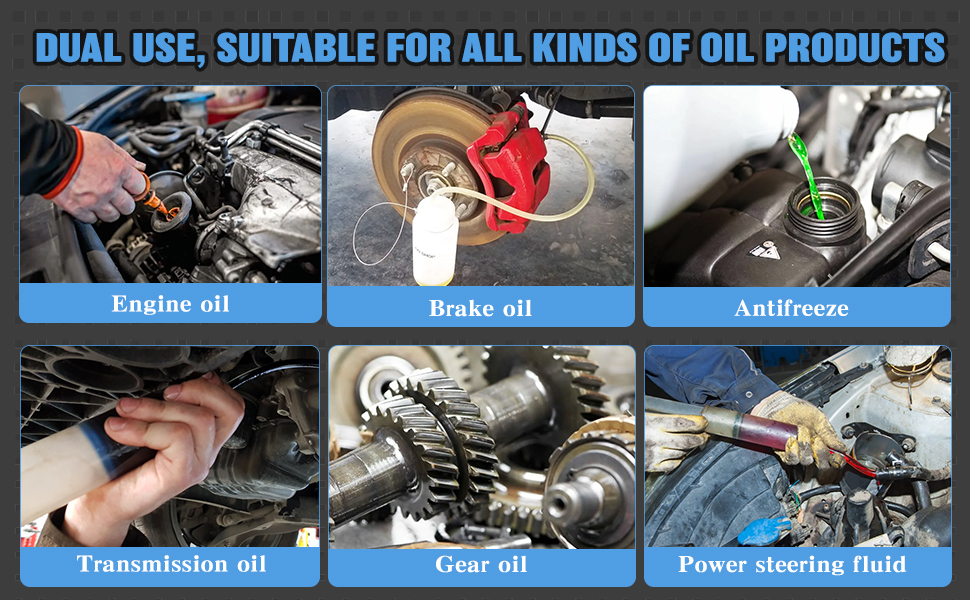
- Engine oil in marine engines, lawn equipment, and some vehicles
- Transmission fluid and differential fluid in select applications
- Coolant, brake fluid, and power steering fluid where appropriate
- Contaminated liquids from small reservoirs and machinery
Because the liquid travels through a hose, the extractor can reach areas that a wrench and drain pan cannot easily access. That convenience is a major reason fluid extractors have become common in workshops, marinas, and home garages.
Why an Oil Extractor Pump Changes Routine Maintenance
An oil extractor pump is a specialized fluid extractor built for oil changes and similar maintenance tasks. Instead of crawling under a vehicle or machine, you insert the appropriate hose into the dipstick tube or oil reservoir, create vacuum, and let the pump pull the old oil into its tank.
This approach offers several practical advantages:
- Cleaner operation: Oil goes directly into a sealed container instead of splashing into a drain pan.
- Less physical strain: No need to reach awkward drain plugs when a top-side extraction is suitable.
- Faster servicing: Routine oil changes can be completed with fewer steps and less setup.
- Better control: Many pumps allow controlled suction and easy pouring afterward.
But convenience does not replace good judgment. Always confirm that top-side extraction is approved for your engine or equipment. Some designs leave sludge or debris behind if the hose does not reach the lowest point of the sump. Use the correct hose diameter, warm the oil according to the manufacturer’s guidance, and verify the extracted volume against the specified capacity.
Fluid Transfer Pumps: Beyond Oil Changes
A fluid transfer pump is a broader category. It moves fluids from one container to another—often without the same vacuum-tank design as a dedicated extractor. Transfer pumps may be manual, electric, or air-operated, and they are used for oil, coolant, diesel, water, hydraulic fluid, and other compatible liquids.
These pumps are valuable when you need to:
- Refill gearboxes, differentials, and reservoirs
- Move fluid from drums or storage tanks into smaller containers
- Drain and refill marine engines and small equipment
- Handle coolant, hydraulic oil, and light solvents with the correct pump materials
The key is compatibility. A pump that works beautifully with engine oil may not be suitable for gasoline, brake fluid, or aggressive chemicals. Check the pump’s seals, hoses, and manufacturer ratings before every new application.
Key Differences at a Glance
| Tool | Primary Use | Best For |
|---|---|---|
| Fluid extractor | Vacuum removal of liquids from reservoirs | Hard-to-reach drains, controlled extraction, spill reduction |
| Oil extractor pump | Top-side oil changes | Marine engines, small engines, select vehicles, routine maintenance |
| Fluid transfer pump | Moving fluid between containers or systems | Refilling, drum transfer, coolant and hydraulic fluid handling |
How to Choose the Right Pump
Start with the fluid, not the label. Viscosity, temperature, chemical compatibility, and volume matter more than a generic product name. A thick cold oil may strain a small manual pump, while a low-viscosity solvent may damage incompatible seals. Next, consider capacity and hose reach. A 6-liter extractor may be perfect for a motorcycle or generator but frustrating for a large diesel engine.
Also think about power. Manual pumps are portable and dependable, pneumatic pumps are fast when compressed air is available, and electric transfer pumps suit repeated jobs. For occasional home use, a compact manual oil extractor pump is often enough. For busy shops, a larger fluid extractor or dedicated fluid transfer pump can improve workflow and reduce cross-contamination when used with clear labeling.
Safe Operation Checklist
- Read the manufacturer’s instructions for both the pump and the machine being serviced.
- Confirm fluid compatibility with hoses, seals, and tank materials.
- Work with the correct temperature—warm oil flows better, but hot oil can damage some hoses.
- Label containers to avoid mixing waste oil, coolant, and other fluids.
- Dispose of used fluids legally at an approved recycling center.
Maintenance and Longevity
After each use, flush the pump and hose with a compatible cleaning fluid if recommended. Store hoses straight to avoid kinks, inspect seals for cracks, and keep the tank clean. A well-maintained fluid extractor or fluid transfer pump can last for years, but contaminated hoses and worn seals can turn a simple job into a slow, messy failure.
Choose for the fluid, plan for the cleanup, and respect the manufacturer’s limits. That is how professional liquid handling stays fast, clean, and safe.
In the end, fluid extractors, oil extractor pumps, and fluid transfer pumps are tools of control. Used correctly, they reduce mess, save time, and make routine maintenance more manageable—whether you are working in a home garage, a marine workshop, or a busy service bay.