Paper Mache Eggs: The Perfect Paintable Easter Eggs for Creative Crafts
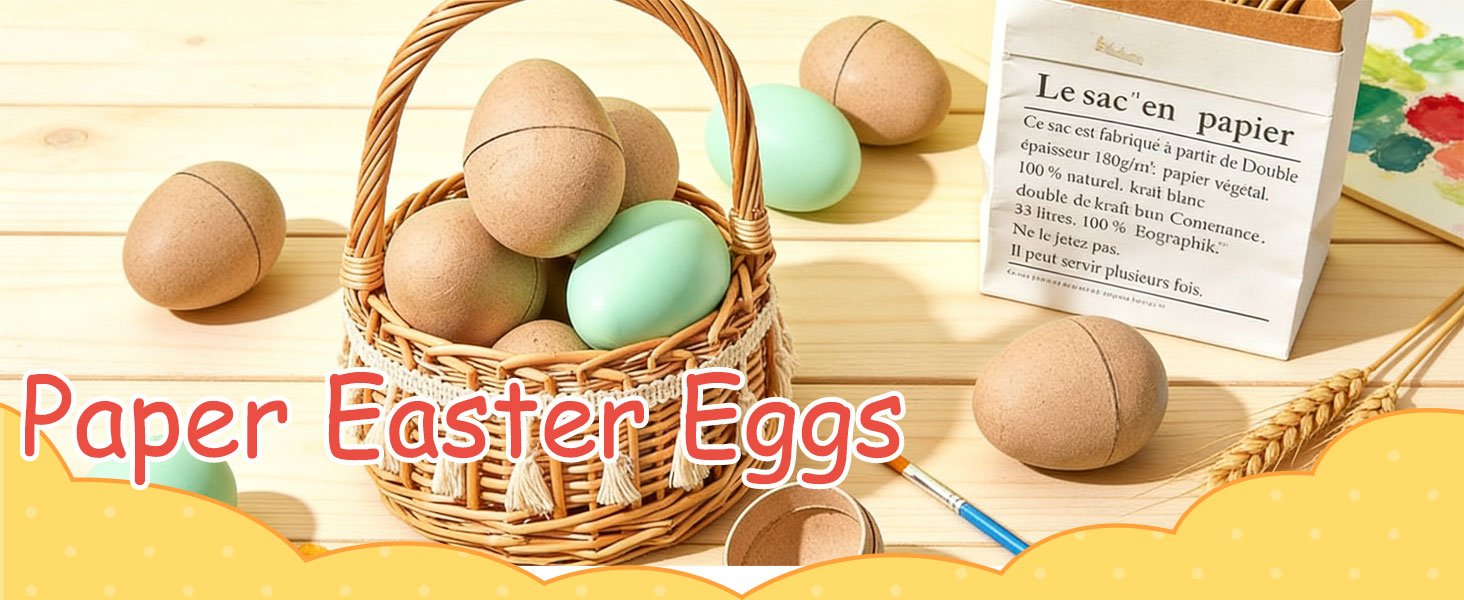
Paper mache eggs are one of the most versatile supplies you can add to your Easter craft box. Lightweight, sturdy, and ready to decorate, they offer all the fun of painting and embellishing without the fragility of real eggs. Whether you are planning a family afternoon, a classroom activity, or a handmade holiday display, paintable Easter eggs made from paper mache give you a blank canvas that is easy to work with and forgiving for beginners. They are also ideal Easter eggs for crafts because they can be painted, glued, glittered, decoupaged, and reused year after year.
Why Choose Paper Mache Eggs for Easter Crafts?
Real eggs are beautiful, but they crack, leak, and require careful handling—especially when children are involved. Paper mache eggs solve those problems. They are hollow but surprisingly strong, so they hold up well during painting, drying, and display. Their smooth surface accepts acrylic paint, tempera, markers, and mod podge, making them suitable for almost any craft idea. Best of all, they are reusable. If you want to change your design next year, you can repaint them or start a fresh set.
For crafters, the appeal is simple: paintable Easter eggs invite experimentation. You do not have to worry about making a mistake because the surface can be layered, covered, or painted over. That freedom makes paper mache eggs especially good for kids, beginners, and anyone who wants a relaxed, creative project.
Start with a Simple Painting Setup
Before you begin, protect your work surface with newspaper or a washable mat. Set out acrylic or tempera paint in small cups, a few brushes in different sizes, paper towels, and a cup of water. If you are working with children, choose washable paint and keep the palette limited to three or four colors. Too many choices can overwhelm younger crafters.
A useful tip is to paint paper mache eggs in stages. Start with a base coat and let it dry completely before adding patterns. Using a foam brush for the base coat helps reduce brush marks. Once the base is dry, add dots, stripes, flowers, or faces with a smaller brush. For extra stability while painting, place each egg on a wooden skewer, a small cup, or a bottle cap. That keeps your hands free and prevents wet paint from smudging.
Creative Ideas for Paintable Easter Eggs
The best paintable Easter eggs are the ones that reflect your own style. Here are a few ideas to get started:
- Classic spring designs: pastel stripes, tiny white daisies, soft polka dots, and gentle ombre effects.
- Nature-inspired eggs: leaf prints, speckled bird-egg patterns, and simple landscapes in miniature.
- Whimsical characters: bunny faces, chick faces, sleepy eyes, and tiny blush cheeks.
- Modern geometric styles: color-blocked halves, metallic lines, and bold abstract shapes.
- Textured finishes: sponge-painted dots, glitter accents, or decoupage with floral napkins.
You can also turn paper mache eggs into place cards, table decorations, or small gift boxes. Paint them in colors that match your Easter table, then add names with a fine-tip marker. If you want a polished look, seal finished eggs with a thin layer of matte or gloss varnish. This protects the paint and makes the eggs easier to wipe clean.
Quick tip: Let each layer of paint dry before adding the next. Patience is the secret to crisp stripes and clean patterns on paper mache eggs.
Crafting with Kids: Keep It Fun and Flexible
Paper mache eggs are excellent Easter eggs for crafts with children because they are easy to hold and hard to break. For younger kids, skip intricate designs and offer simple tools: chunky brushes, dot markers, stickers, and washable paint. Encourage them to cover the egg freely rather than aiming for perfection. You can also set up a “paint and decorate” station with washi tape, sequins, and glue dots.
Older children and teens may enjoy more detailed projects, such as painting eggs to look like their favorite animals or creating a set of eggs inspired by a book or holiday theme. Group projects work well too: have each person paint one egg, then arrange them together in a basket for a colorful centerpiece.
Display, Store, and Reuse
Once your paper mache eggs are completely dry, they can be displayed in a basket, on a tiered tray, or along a mantel. To store them, wrap each egg lightly in tissue paper and keep them in a sturdy box away from moisture and direct sunlight. With a little care, your painted eggs can become part of your Easter tradition for years.
Paper mache eggs are more than a craft supply—they are an invitation to be creative. Whether you choose a simple pastel design or an elaborate painted pattern, paintable Easter eggs make the holiday personal, playful, and beautifully handmade.