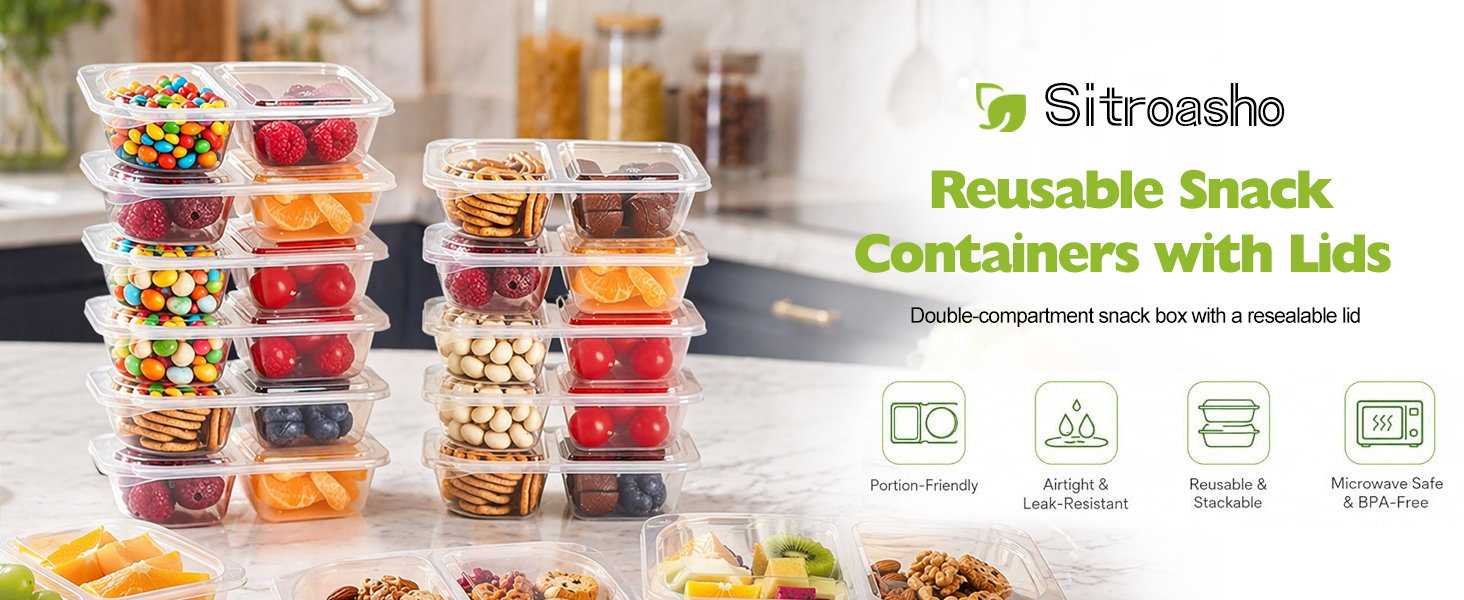
Smart Snacking, Smarter Storage: A Complete Guide to Snack Containers, Lidded Boxes, and Food Storage Containers
Snacking has changed. It is no longer just a quick handful of crackers between meals; it is part of how we work, travel, exercise, and feed our families. That shift has made snack containers, snack containers with lids, and food storage containers everyday essentials rather than afterthoughts. The right container keeps food fresh, controls portions, reduces waste, and makes the kitchen feel organized. The wrong one leaks, cracks, hides leftovers, or turns a pantry into a puzzle. This guide explores how to choose, use, and care for containers that actually fit real life.
Why the Right Container Matters
A container is a small piece of infrastructure. It protects texture, locks in flavor, and keeps moisture where it belongs. Crisp vegetables stay crisp. Nuts stay crunchy. Sauces stay inside the box instead of on the inside of a bag. Good containers also make healthy snacking easier because they turn preparation into a two-minute task: wash, chop, fill, close, go.
There is an environmental angle, too. Reusable food storage containers replace single-use bags and wrap, which lowers household waste over time. And because clear containers let you see what you have, they reduce the “out of sight, out of mind” problem that leads to forgotten leftovers and duplicate grocery purchases.
Snack Containers: Small Format, Big Impact
Snack containers are designed for small portions and frequent use. They are usually compact, lightweight, and easy to open. The best ones are not simply tiny boxes; they are built for the way people snack.
- Portion control: A fixed-size snack container makes it easier to serve one portion and stop there.
- Quick access: Shallow containers work well for finger foods, while deeper ones suit trail mix or cereal.
- Stackability: Nesting and stacking designs save drawer and shelf space.
- Visibility: Clear sides help you spot what is running low.
For kids, snack containers should be easy to open but secure enough not to spill in a backpack. For adults, slim containers that fit laptop bags and cup holders are often more useful than oversized boxes.
Snack Containers with Lids: Freshness, Portability, and Peace of Mind
Snack containers with lids solve the most common snacking problem: freshness on the move. A lid is not just a cover; it is the difference between a container that travels well and one that leaks, spills, or lets air in.
When shopping for lidded snack containers, look closely at the seal. Silicone gaskets and snap-lock tabs generally provide better leak resistance than simple press-on lids. Hinged lids are convenient because they stay attached, but they can be harder to clean around the hinge. Screw-top lids are excellent for liquids and very small items, while four-side locking lids are reliable for messy snacks like yogurt-covered fruit or cut fruit with juice.
Practical rule: If a container will ride in a bag, test it with a folded paper towel and a few drops of water. Shake it. If the towel stays dry, the lid is doing its job.
Food Storage Containers: From Pantry to Fridge to Freezer
Large food storage containers handle the bigger jobs: leftovers, meal prep, dry goods, and batch cooking. They should be chosen by task, not by looks alone. A container that works beautifully for pasta salad may be a poor fit for freezing soup. A tall cereal container may be perfect for oats but awkward in a small fridge.
Pantry storage
For dry goods, airtight containers protect against moisture, pests, and stale flavors. Square or rectangular shapes use shelf space more efficiently than round ones. Clear containers with measurement marks make it easy to see when flour, rice, or granola is running low.
Refrigerator storage
In the fridge, low-profile containers stack better and make leftovers visible. Glass is excellent for reheating and does not stain or hold odors. Plastic is lighter and often cheaper, but choose BPA-free options and avoid using soft plastic containers for hot, oily foods.
Freezer storage
Freezer containers need headspace for expansion and lids that stay flexible in cold temperatures. Rigid containers with cracked lids or weak seals can let in air and cause freezer burn. Labeling is essential; a frozen block of sauce looks exactly like a frozen block of chili after a month.
Materials Matter
Glass, stainless steel, silicone, and plastic each have strengths. Glass is durable, odor-resistant, and microwave-friendly, but it is heavier. Stainless steel is tough and excellent for travel, though it is not microwave-safe. Silicone is flexible and great for collapsible containers, but it can absorb strong odors over time. Plastic is lightweight and affordable, but quality varies widely. Look for thick walls, secure lids, and clear care instructions.
Design Details That Make a Difference
Small features create daily convenience. Stackable lids, nesting bodies, rounded corners, and measurement marks all reduce friction. Containers that share lid sizes simplify storage because you are not hunting for a matching pair. Wide openings make filling and cleaning easier. And lids that are dishwasher-safe on the top rack are far more likely to be used consistently.
Organization and Portion Control
A useful snack station can be built in one drawer or one shelf. Group ready-to-eat snacks in small snack containers, keep larger food storage containers for meal prep, and reserve snack containers with lids for bags and lunchboxes. Pre-portion nuts, dried fruit, pretzels, and cut vegetables once or twice a week. This turns impulsive snacking into a planned choice and makes mornings calmer.
Sustainability and Care
Reusable containers only reduce waste when they last. Wash them promptly, avoid harsh abrasives on plastic, and let all parts dry completely before stacking. Replace cracked lids and warped bases rather than forcing them to work. A small collection of well-made containers beats a crowded cabinet of mismatched pieces that leak and frustrate.
A Simple Buying Checklist
- Seal quality: Does the lid lock securely and resist leaks?
- Size range: Do you have small snack sizes and larger meal-prep sizes?
- Material fit: Is it safe for the microwave, freezer, or dishwasher as needed?
- Stackability: Will it save space or create clutter?
- Cleaning ease: Are corners, gaskets, and hinges easy to reach?
The best storage system is the one you will actually use. Start with a few reliable snack containers, add snack containers with lids for travel, and build a small set of food storage containers for leftovers and meal prep. When containers are clear, secure, and easy to clean, snacking becomes simpler, food stays fresher, and the kitchen works a little better every day.