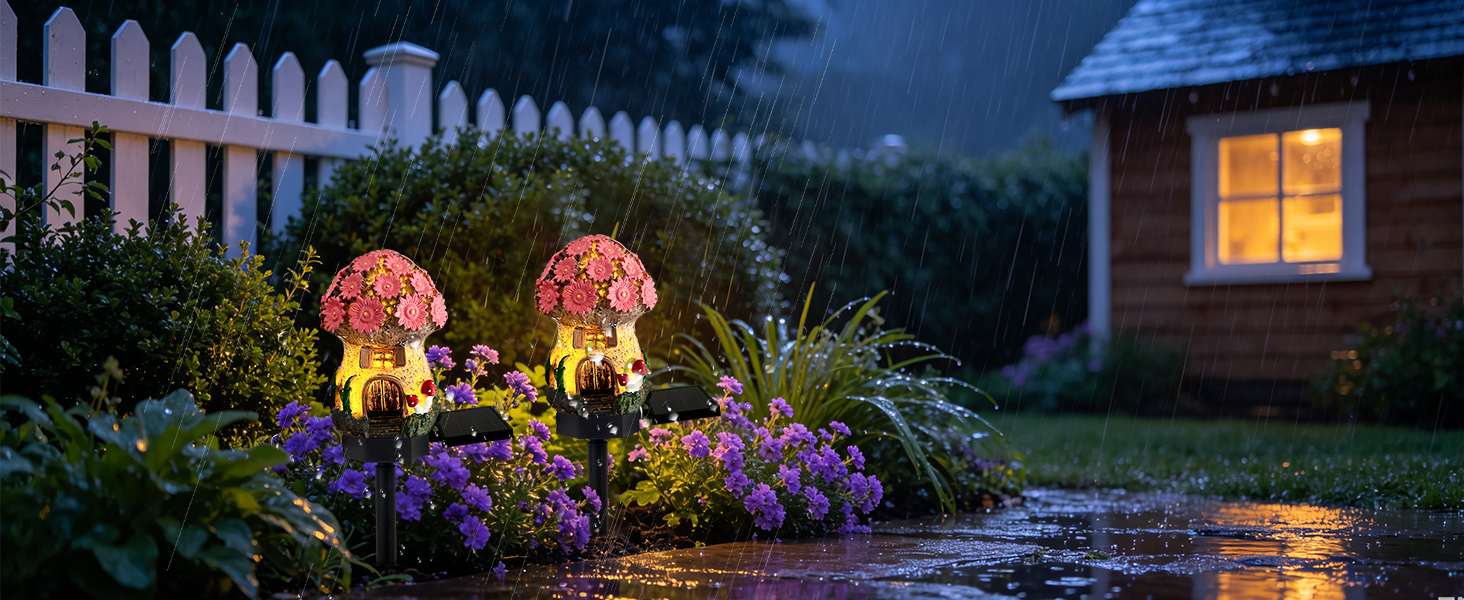
Solar Pathway Lights: Brighten Your Landscape the Eco-Friendly Way
There’s something magical about a softly lit path after sunset. It invites you to linger outdoors, guides guests safely to your door, and adds a warm, welcoming glow to your garden. Solar pathway lights have made that vision easier, greener, and more affordable than ever. Instead of digging trenches or hiring an electrician, you simply stake them into the ground and let the sun do the rest.
Why Choose Solar Pathway Lights?
Solar pathway lights are a smart upgrade for any outdoor space, whether you have a small courtyard or a long country driveway. They combine practical illumination with sustainable design, and they offer several advantages over traditional wired lighting.
- Zero electricity costs: Once installed, the sun powers them for free.
- Easy installation: No wiring, no outlets, and no professional help required.
- Eco-friendly operation: They use renewable energy and typically contain recyclable components.
- Low maintenance: A quick wipe of the panel and occasional battery replacement are usually all they need.
“A well-lit path isn’t just about safety—it’s about creating an inviting atmosphere that extends your living space into the garden.”
How Solar Pathway Lights Work
Understanding the basics can help you choose lights that perform well in your climate and landscape. Each fixture contains a few key components that work together seamlessly.
- Solar panel: Absorbs sunlight and converts it into electricity during the day.
- Rechargeable battery: Stores that energy so the light can shine after dark.
- LED bulb: Provides bright, energy-efficient illumination with a long lifespan.
- Photosensor: Detects dusk and dawn, automatically turning the light on and off.
Because they rely on the sun, placement matters. A spot that receives at least six to eight hours of direct sunlight will keep most solar lights glowing through the night. In shady areas, look for models with larger panels or higher-capacity batteries.
Choosing the Right Solar Pathway Lights
Not all solar lights are created equal. A little research upfront can save you from dim, short-lived fixtures that disappoint after the first season.
Brightness and runtime: Measured in lumens, brightness varies widely. For marking a path, 10–50 lumens is usually enough. For safety and visibility, consider 50–100 lumens. Check the stated runtime and choose lights that can last at least eight hours on a full charge.
Battery quality: Lithium-ion batteries generally outperform older NiMH or NiCd options, especially in cold weather. Look for replaceable batteries so you can extend the life of your lights.
Materials and weather resistance: Stainless steel, aluminum, and durable plastics hold up best against rain, UV exposure, and temperature swings. An IP65 rating or higher indicates good weather resistance.
Design and placement: Choose a style that complements your home and garden—modern cubes, classic lanterns, or subtle stake lights. Space them evenly along the path, usually six to eight feet apart, and avoid placing them where they’ll be tripped over or hit by a lawnmower.
Quick Tip: Before committing to a full set, buy one or two lights and test them in your chosen location for a week. This helps you judge brightness, runtime, and style in your actual landscape.
Design Ideas for a Beautiful Pathway
Solar pathway lights can do more than mark a walkway. They can become part of your landscape design, drawing attention to favorite features and creating a cozy evening ambiance.
- Line a curved garden path to guide the eye and add rhythm to the landscape.
- Highlight flower beds by placing lights behind low plants for a soft backlight.
- Create a welcoming entrance with matching lights on either side of a gate or door.
- Add drama to a deck or patio by using short stake lights around the perimeter.
Mix and match heights and styles for a layered look, or keep everything uniform for a clean, modern feel. Warm white light is generally the most flattering for gardens, while cool white can suit contemporary designs.
Maintenance Tips to Keep Them Shining
Solar lights are low maintenance, but a little care goes a long way toward keeping them bright season after season.
- Clean the solar panel every few weeks with a damp cloth to remove dust and debris.
- Replace batteries every one to two years, or when runtime noticeably drops.
- Check placement after storms and adjust any lights that have shifted or been buried.
- In winter, clear snow from panels and bring fragile lights indoors if temperatures drop below their rating.
Common Mistakes to Avoid
Even the best solar lights can disappoint if they’re installed poorly. Watch out for these common pitfalls.
- Placing lights in shade: Panels need direct sun, not just daylight.
- Ignoring battery life: Cheap batteries fade quickly; choose replaceable, quality cells.
- Overcrowding the path: Too many lights can look cluttered and waste money.
- Choosing style over function: A beautiful fixture that barely glows won’t serve its purpose.
Final Thoughts
Solar pathway lights are a simple, sustainable way to enhance your outdoor space. They improve safety, add charm, and reduce energy costs—all without the hassle of wiring. By choosing quality fixtures, placing them thoughtfully, and giving them a little seasonal care, you can enjoy a beautifully illuminated path year-round.
Whether you’re lighting a quiet garden retreat or a busy family walkway, the right solar lights can turn an ordinary path into something truly inviting. Let the sun do the work, and enjoy the glow.