The Credit Card Wand: A Smarter, Sleeker Way to Tap, Pay, and Go
Somewhere between a magic trick and everyday convenience, the credit card wand has quietly become one of the most talked-about little gadgets in the world of personal finance. It looks like a slim baton, a stylus, or a minimalist card holder — and yet it lets you pay for coffee, groceries, or a train ticket with a single flick of the wrist. If you have ever fumbled for your wallet at a checkout counter while the queue sighed behind you, this is the accessory you did not know you needed.
In this article, we will unpack what a credit card wand actually is, how contactless payment cards work underneath the surface, and why a well-designed tap to pay card holder can make your daily routine noticeably smoother.
What Exactly Is a Credit Card Wand?
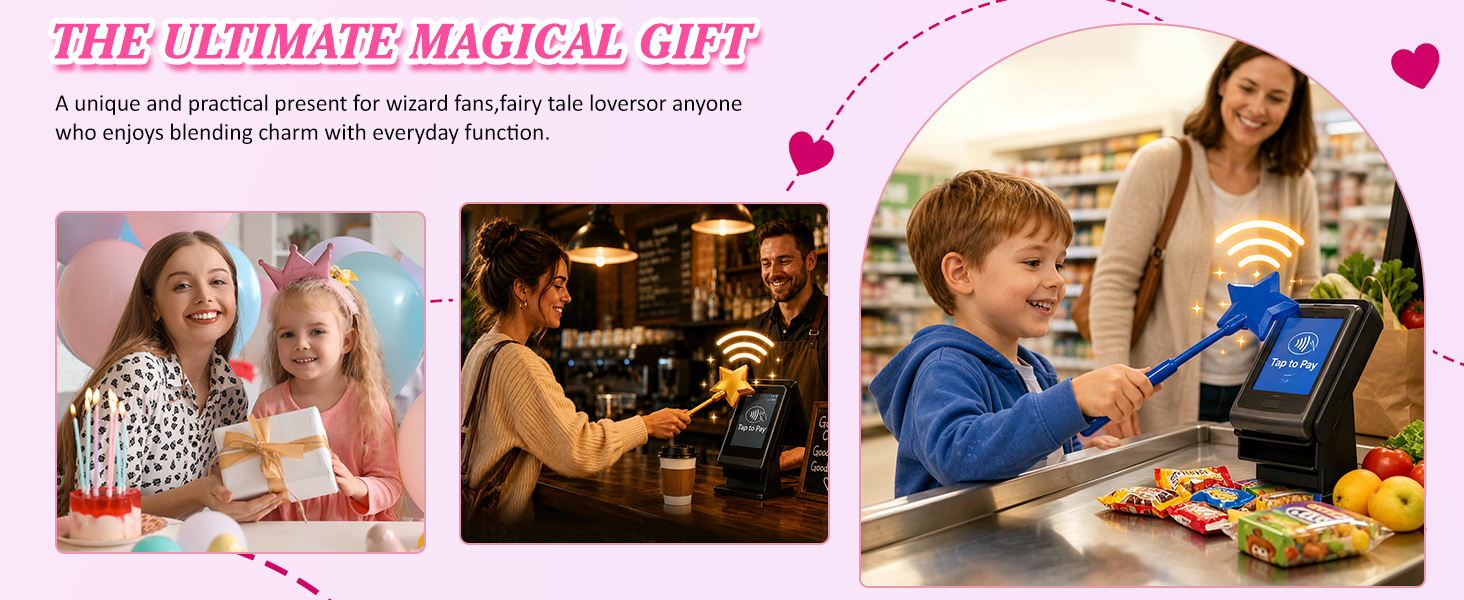
A credit card wand is a handheld holder — usually made from aluminum, wood, leather, or hard polycarbonate — that grips a contactless bank card at one end. Instead of pulling the card out of a wallet, you simply extend the wand toward the payment terminal and tap.
The idea is deceptively simple, but it solves three real problems at once:
- Speed. No digging, no unzipping, no shuffling through receipts.
- Protection. The card stays enclosed, so the chip and magnetic stripe never get scratched.
- Presentation. Let's be honest — a beautifully machined wand makes paying feel a little more elegant than tugging at a worn wallet.
A Note on the Name
You will also see these products sold as contactless wands, tap wands, or NFC card extenders. They are all describing the same category: a holder that keeps your contactless card in place while extending your reach.
How Contactless Payment Cards Actually Work
Understanding the technology makes the wand's design choices much easier to appreciate. A contactless card contains a small NFC (Near Field Communication) chip and an antenna loop. When you bring the card within roughly four centimeters of a payment terminal, the terminal's electromagnetic field powers the chip, and a short encrypted exchange takes place in under half a second.
Two details matter for wand users:
- Distance is short but forgiving. A holder adding two or three millimeters of material will not block the signal — but a fully metal, sealed case will.
- Orientation matters. The antenna usually runs around the card's edges, so the sweet spot is the center of the card, not the corner.
Rule of thumb: if the terminal beeps when your bare card touches it, it will beep just as happily when your card is resting in a well-designed wand.
Why a Tap-to-Pay Card Holder Changes Your Routine
The first week with a tap to pay card holder feels like a small revelation. Here is what regular users tend to notice most:
- One-handed payments. Hold the wand in your dominant hand, tap, done — ideal when you are carrying a bag, a coffee, or a toddler.
- Fewer dropped cards. Cards fall out of wallets. They rarely fall out of a snug holder.
- Less screen time. Paying by phone means unlocking, opening a wallet app, authenticating, then tapping. A wand skips three of those steps.
- Better hygiene at shared terminals. You tap the reader with your own device rather than pressing a communal keypad.
Who Benefits Most?
Commuters with a transit card clipped in, parents managing a stroller and a shopping basket, and anyone with limited hand mobility all tend to find the wand format genuinely useful rather than gimmicky. It is also a popular gift for people who insist they "don't need another gadget" — right up until they try one.
Design Matters: Choosing the Right Holder
The market ranges from five-dollar plastic sleeves to hand-finished wooden wands. Before you buy, weigh these factors:
- Material: Leather, silicone, and thin plastic are RF-friendly. Solid metal looks stunning but can interfere with the signal unless the manufacturer has specifically designed around it.
- Grip: The card should be secure but removable. Test the mechanism if you can.
- Size: A wand should extend reach without becoming a nuisance in a pocket.
- Card access: You will still occasionally need the chip, the stripe, or the number printed on the back. Look for quick-release designs.
Security Questions, Answered Plainly
Every contactless product attracts the same worry: can someone scan my card from across the room? In practice, NFC range is measured in centimeters, not meters, and each transaction generates a unique cryptogram that cannot be reused. Most banks also cap contactless payments and require a PIN periodically.
If you want belt-and-braces protection, choose a holder with a built-in RFID-blocking pocket for the card you are not actively using. That way you get convenience when you want it and a shield when you don't.
The Future of Tap and Go
Contactless payments now account for the majority of in-store card transactions in many countries, and hardware is evolving to match. We are already seeing wands with interchangeable grips, keyring models for transit passes, and even versions that hold two cards in separate shielded slots so you can choose which one to expose.
The credit card wand will not replace your wallet — but it does refine an everyday moment that has been clumsy for far too long. Tap, beep, walk away. Sometimes the best technology is the kind that makes you forget it is technology at all.